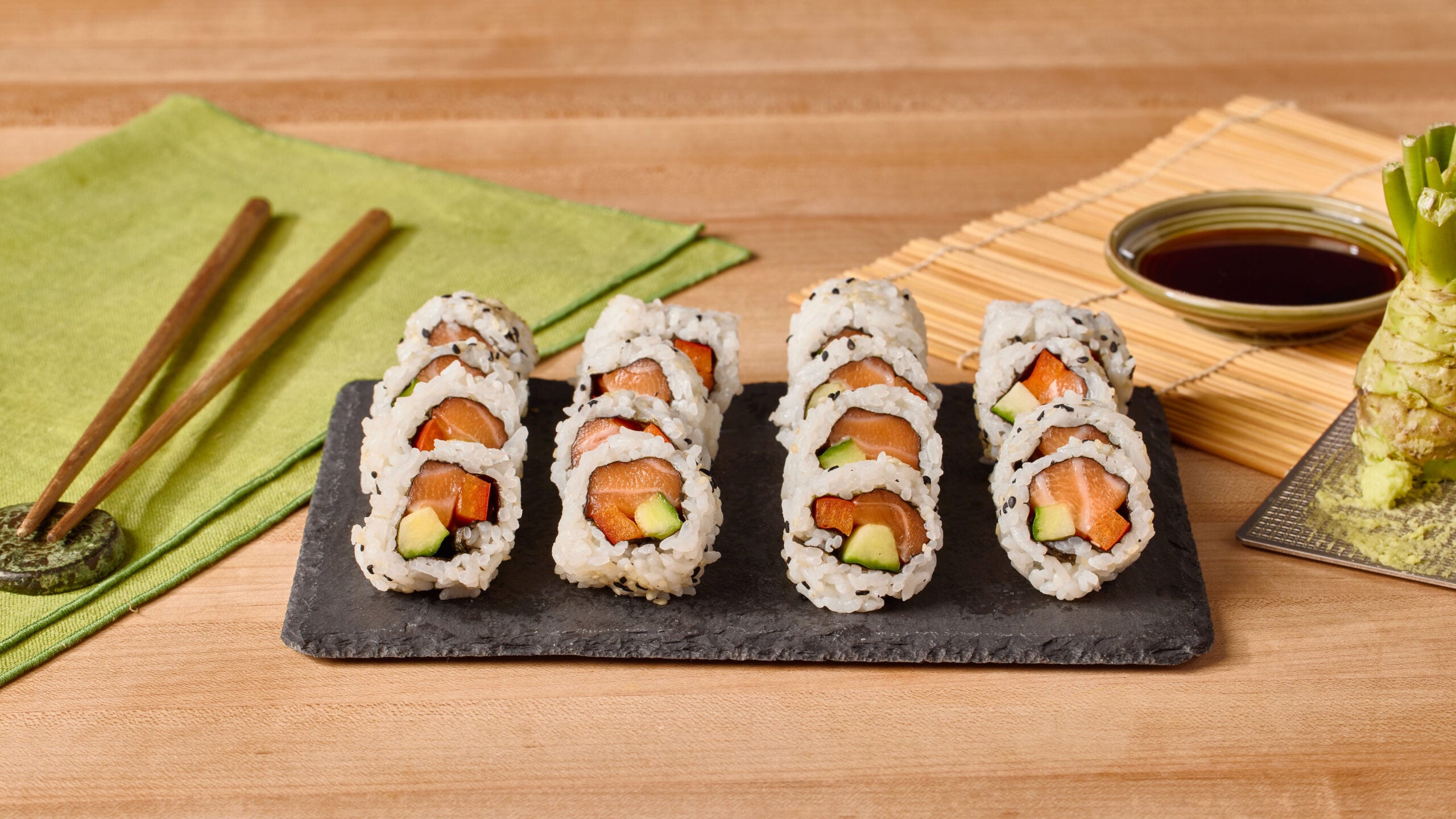
Mastering Homemade Sushi: Rolls, Nigiri, & Hand Roll Techniques
Once considered the exclusive domain of skilled chefs, the art of sushi making is surprisingly accessible to home cooks. Demystifying the process, creating your own homemade sushi can transform an ordinary meal into a fun, interactive culinary adventure perfect for sharing with family and friends. Forget the intimidation; with a few fresh ingredients, the right techniques, and a dash of patience, you'll be rolling, pressing, and shaping delicious sushi just like your favorite restaurant.
This comprehensive guide will walk you through the essentials of crafting various sushi styles right in your own kitchen. From perfecting the sticky, flavorful sushi rice to artfully arranging fillings and mastering different rolling methods, you'll discover how rewarding it is to customize your creations. Imagine choosing your preferred fish, loading up on extra avocado, or exploring vibrant vegetable combinations – the possibilities for your crafting restaurant-quality sushi at home are endless!
The Foundation: Perfecting Your Homemade Sushi Rice
The heart of any great sushi, whether rolls or nigiri, is perfectly prepared sushi rice. This isn't just any rice; it's a meticulously seasoned short-grain rice that forms the sticky, slightly sweet, and tangy base for all your creations.
Essential Rice Ingredients:
- Sushi Rice: Opt for Japanese short-grain rice. Its higher starch content is crucial for achieving that characteristic stickiness that holds your sushi together.
- Kombu: This dried Japanese seaweed adds a subtle yet profound umami depth to your rice, elevating its flavor profile.
- Sweetened Rice Vinegar (Sushi-su): A magical blend of rice vinegar, sugar, and salt (often steeped with kombu), this mixture is what gives sushi rice its signature sweet, tangy, and subtly umami taste. It's often referred to as "sushi seasoning."
Step-by-Step Rice Preparation:
- Rinse the Rice: Place your sushi rice in a fine-mesh sieve and rinse under cold running water until the water runs clear. This removes excess starch, preventing the rice from becoming too gluey.
- Cook the Rice: Combine the rinsed rice with the appropriate amount of water (usually a 1:1 ratio for short-grain rice, or slightly less for a firmer texture) and a small piece of kombu in a medium pot. Bring to a boil, then reduce heat to low, cover, and simmer for 20-25 minutes, or until the water is absorbed and the rice is tender. Let it rest, covered, off the heat for 10-15 minutes.
- Prepare the Sushi-su: While the rice cooks, gently heat the rice vinegar, sugar, and salt (and kombu, if not used in the rice) in a small saucepan until the sugar and salt dissolve. Do not boil.
- Season the Rice: Transfer the cooked rice to a large, non-metallic bowl or a traditional wooden hangiri. Pour the sushi-su evenly over the rice. Using a cutting motion with a rice paddle or spatula, gently fold and separate the grains, fanning the rice as you go to cool it down quickly. This process helps the rice absorb the seasoning while developing its glossy texture. Ensure even coating without mashing the grains.
Pro Tip: Achieving the right texture is key. The rice should be sticky enough to hold its shape but individual grains should still be discernible. Avoid overworking the rice, as this can lead to a mushy texture.
Essential Ingredients & Customization for Your Homemade Sushi
Beyond the rice, the fillings and toppings are where your culinary creativity truly shines. The beauty of homemade sushi lies in its boundless customization.
The Stars of the Show: Fillings & Toppings
- Sushi-Grade Fish: For raw preparations like nigiri and maki, ensure you use only "sushi-grade" or "sashimi-grade" fish. This signifies that the fish has been handled and frozen in a way that makes it safe for raw consumption. Popular choices include raw tuna (maguro), salmon (sake), and yellowtail (hamachi). Always source from a reputable fishmonger.
- Cooked Protein Options: If raw fish isn't your preference, don't worry! Smoked salmon, cooked shrimp, imitation crabmeat (surimi), grilled chicken, or even thinly sliced cooked beef are excellent alternatives.
- Vibrant Vegetables: Crunchy cucumber sticks, creamy avocado slices, crisp bell peppers, and refreshing pickled daikon or ginger add essential texture and flavor. Don't shy away from experimenting with carrots, asparagus (blanched), or even sweet potato tempura.
- Nori Sheets: These edible dried seaweed sheets are fundamental for rolls, providing a salty, umami kick and acting as the structural wrapper. Briefly warming nori sheets in a low oven (1-2 minutes) can make them more pliable and enhance their flavor.
- Optional Extras: Toasted sesame seeds, masago (capelin roe), flying fish roe (tobiko), and even cream cheese can add unique dimensions to your rolls.
Personal Insight: One of my favorite aspects of making customizable recipes for restaurant-quality sushi at home is being able to cater to everyone's tastes. You can create a mix of fish-based, vegetarian, and even fully vegan rolls using fillings like tofu, mushroom, and various veggies. This makes sushi a fantastic option for entertaining!
Mastering the Art of Rolling: Maki, Uramaki, Nigiri, and Hand Rolls
Now that your rice is ready and your fillings are prepped, it's time for the fun part: shaping your sushi! A bamboo sushi mat (makisu) is your best friend here, though a clean dish towel can also work in a pinch. Keep a small bowl of water nearby to dampen your hands, preventing the rice from sticking.
1. Maki Rolls (Traditional Rolled Sushi)
Maki rolls are perhaps the most iconic image of sushi: rice and fillings wrapped inside a sheet of nori.
- Lay the Nori: Place one nori sheet shiny-side down on your bamboo mat, positioned horizontally closest to you.
- Spread the Rice: Dip your hands in the water and grab a handful of sushi rice (about 3/4 to 1 cup). Spread a thin, even layer of rice over the nori, leaving about a 1-inch strip of nori exposed at the far end.
- Add Fillings: Arrange your chosen fillings in a neat line across the center of the rice, not too thick to allow for rolling.
- Roll It Up: Lift the edge of the bamboo mat closest to you, bringing it up and over the fillings, tucking the edge of the nori underneath to meet the rice on the other side. Apply gentle, even pressure to create a tight cylinder. Continue rolling forward, pressing firmly as you go, until the roll is complete. Use the exposed nori strip to seal the roll.
- Slice: Dip a sharp knife in water, wipe off excess, and slice the roll into 6-8 even pieces. Re-wet and wipe the knife after every few cuts for clean slices.
2. Uramaki (Inside-Out Rolls)
Uramaki, or "inside-out" rolls, feature rice on the exterior, often adorned with sesame seeds or roe, and nori on the inside.
- Prepare the Rice: Place plastic wrap over your bamboo mat. Spread rice evenly over a nori sheet, covering it completely this time. Sprinkle with sesame seeds if desired.
- Flip It: Carefully flip the nori sheet so the rice side is now on the plastic-covered mat and the nori is facing up.
- Add Fillings: Place your fillings in a line across the center of the nori.
- Roll & Slice: Roll tightly as you would with maki, using the mat and plastic wrap to form a firm cylinder. Once rolled, remove the plastic wrap and slice with a wet, sharp knife.
3. Nigiri (Hand-Pressed Sushi)
Nigiri is deceptively simple: an oblong mound of sushi rice topped with a slice of raw fish or other topping.
- Shape the Rice: Dip your hands in water. Take a small amount of sushi rice (about 1.5-2 tablespoons) and gently press it into an oblong, slightly flattened shape in the palm of your hand.
- Prepare the Topping: Take a thin slice of sushi-grade fish. A tiny dab of wasabi can be applied to the underside of the fish if desired.
- Assemble: Place the fish slice over the rice, gently pressing and molding it with your fingers to conform to the shape of the rice. Flip it over once and gently press to ensure adhesion.
4. Temaki (Hand Rolls)
Temaki, or hand rolls, are the most casual and forgiving of sushi types, perfect for an interactive dining experience.
- Prepare Nori: Take a half or full sheet of nori.
- Arrange Fillings: Place a small amount of rice on one corner of the nori (the corner closest to your non-dominant hand). Add your favorite fillings diagonally across the rice.
- Form the Cone: Gently fold the corner closest to you over the fillings, then roll it into a cone shape.
For more detailed step-by-step visuals and foundational tips on these techniques, consider exploring resources like Homemade Sushi for Beginners: Your Easy Step-by-Step Guide.
Troubleshooting and Tips for Homemade Sushi Success
- Sticky Hands, No More: Keep a bowl of water with a touch of rice vinegar nearby for wetting your hands before handling rice. This prevents stickiness and makes spreading much easier.
- The Perfect Slice: Always use a very sharp, wet knife for cutting rolls. Wipe the blade clean and re-wet it between each cut to prevent rice from sticking and tearing the nori. A single, decisive motion is better than sawing.
- Don't Overfill: This is a common mistake! Too many fillings will make your rolls impossible to close and difficult to cut cleanly. Less is often more.
- Tight Rolls are Happy Rolls: Apply firm, even pressure when rolling. A loose roll will fall apart when cut or picked up.
- Patience with Rice: Allow your seasoned sushi rice to cool to room temperature before using it. Hot rice will wilt the nori and warm your fillings prematurely.
- Mise en Place: Have all your ingredients prepped, cut, and ready to go before you start rolling. This makes the assembly process smooth and enjoyable.
Conclusion
Embarking on the journey of making homemade sushi is an incredibly rewarding experience. It's a chance to explore new flavors, master enjoyable techniques, and create memorable meals that are entirely your own. From the delicate balance of flavors in the sushi rice to the vibrant array of fillings and the satisfaction of a perfectly rolled maki, every step is a testament to the joy of home cooking. So gather your ingredients, set up your workstation, and don't be afraid to experiment. You'll quickly discover that crafting restaurant-quality sushi at home is not just achievable, but truly a delight.
